

SDG 8 – Decent work and economic growth
We strengthen social responsibility across our supply chain by working with suppliers who carry out and document recognised social audits.
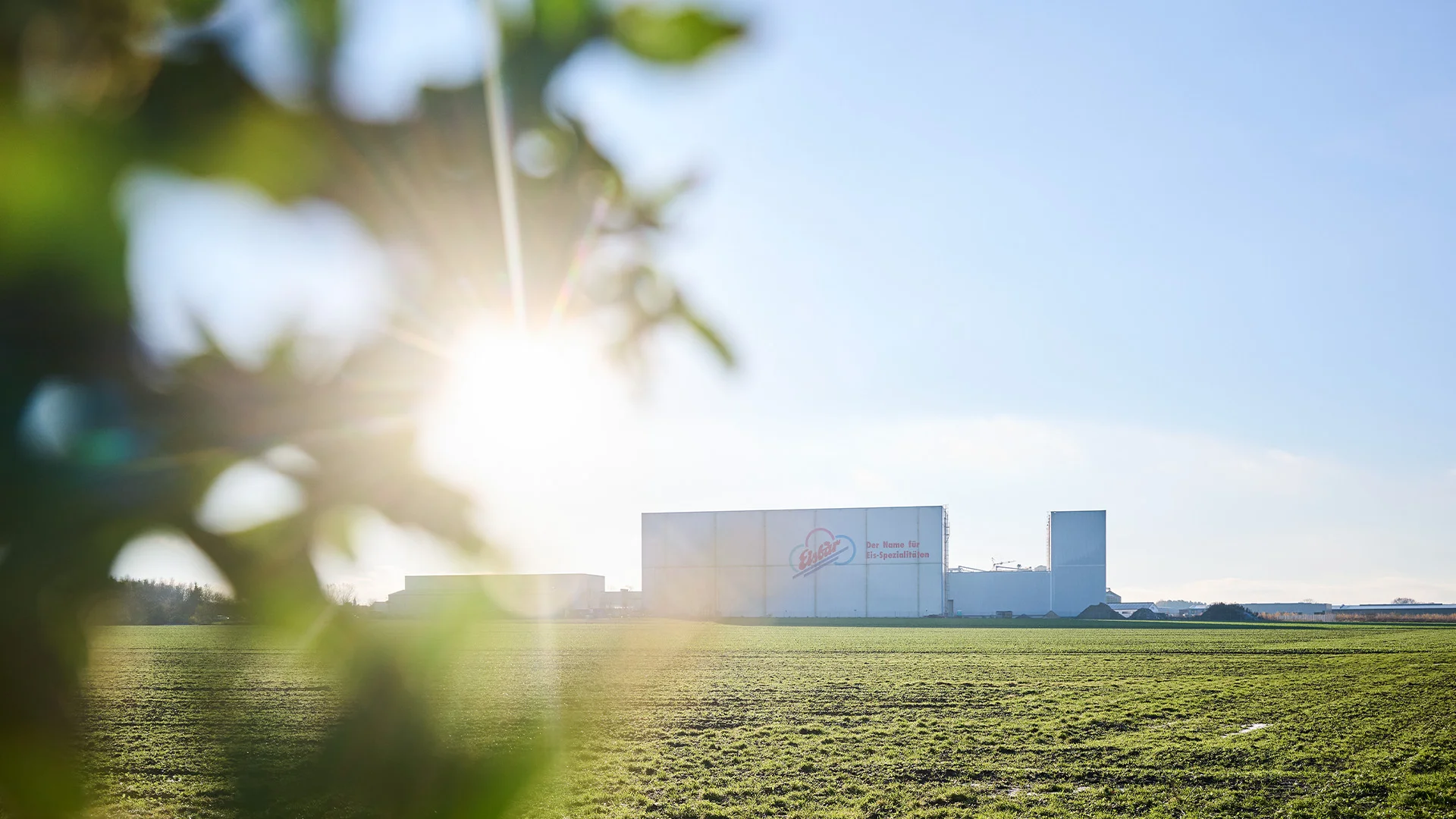
As a family business now in its third generation, we think long-term – for our employees, our environment and generations to come.
For us, sustainability isn’t a trend but part of who we are: we produce energy-efficiently, use resources responsibly and promote fair working and supply conditions.
That’s how we bridge the gap between indulgence and conscience – ice cream that doesn’t just taste good, but feels good too.
We work according to the principles of the ZNU standard for “Sustainable Business Management” (Zentrum für Nachhaltige Unternehmensführung). This holistic approach helps us embed ecological, social and economic responsibility firmly in our processes – transparently, measurably and with continuous improvement.
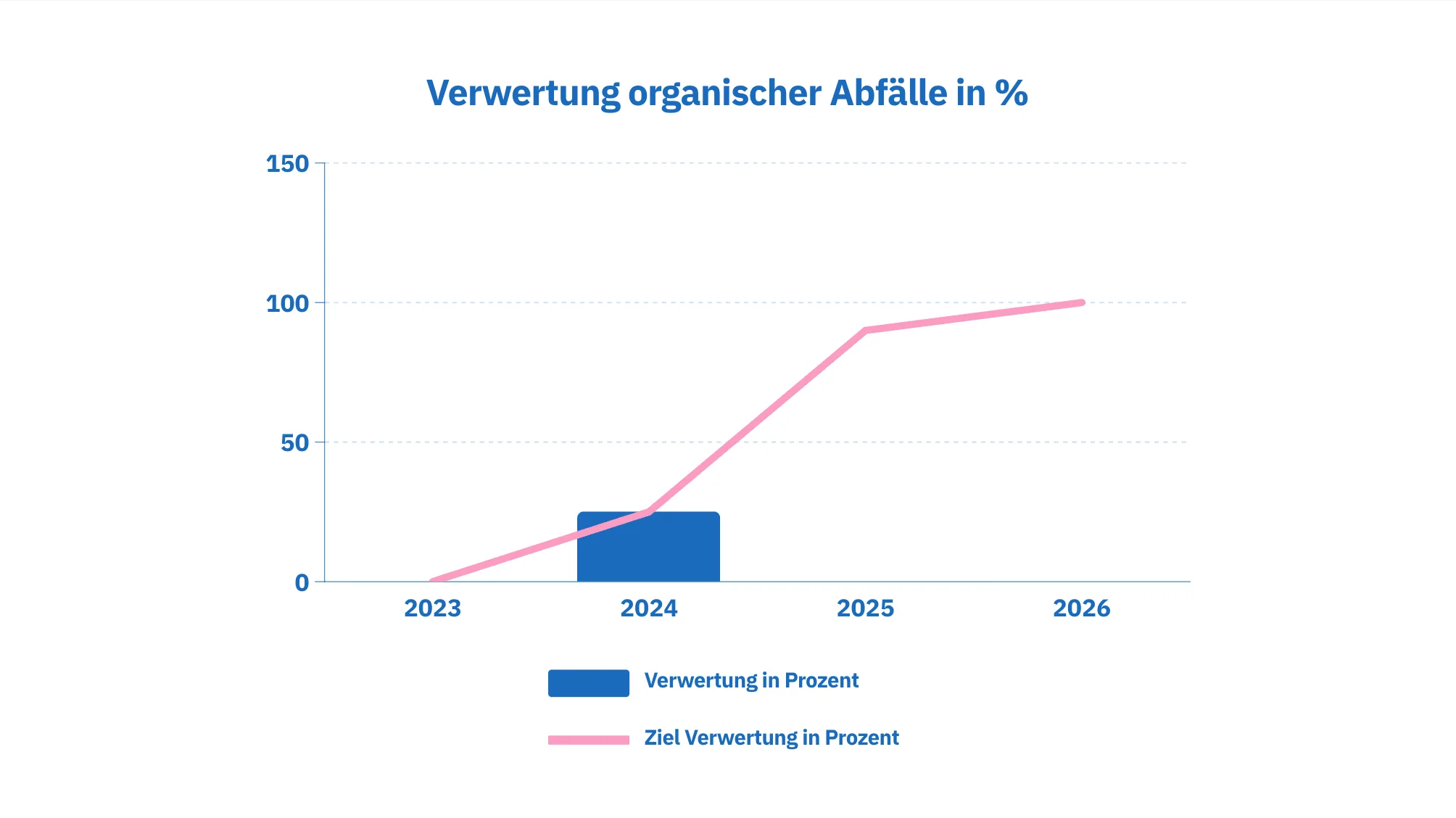
100 % recovery of organic waste
Baseline year 2024 | Target year 2026
Objective:
Recover 100 % of organic production waste through our own biogas plant
Status 2024:
26.4 % of organic waste is already used sustainably
Measures:
Raising the level of automation
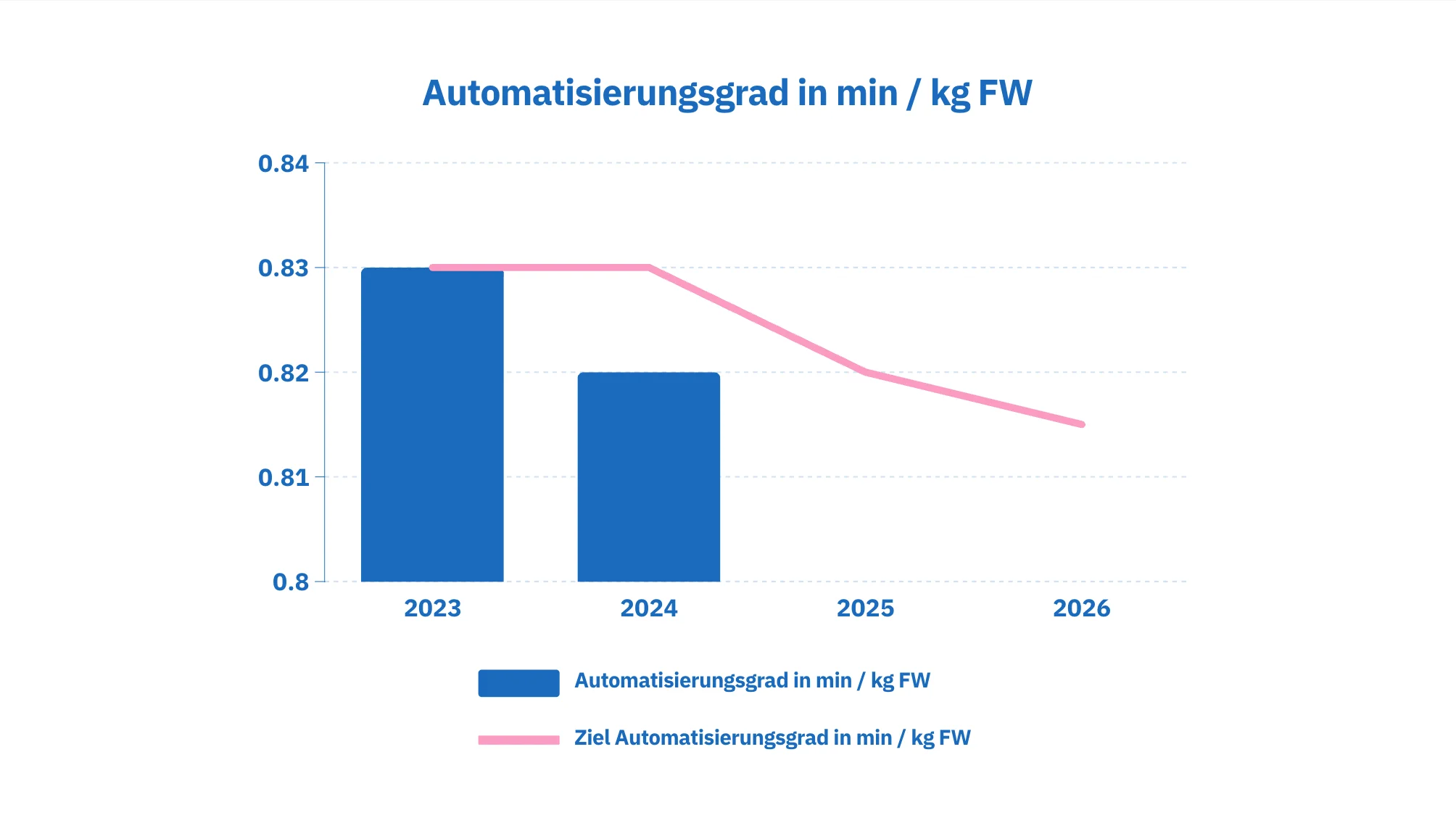
Baseline year 2023 | Target year 2027
Objective:
Systematically increase the level of automation in our production processes (lower minutes per kg of finished product = more automation)
Status 2024:
0.822 minutes per kg of finished product
Measures:
Increasing the apprenticeship rate
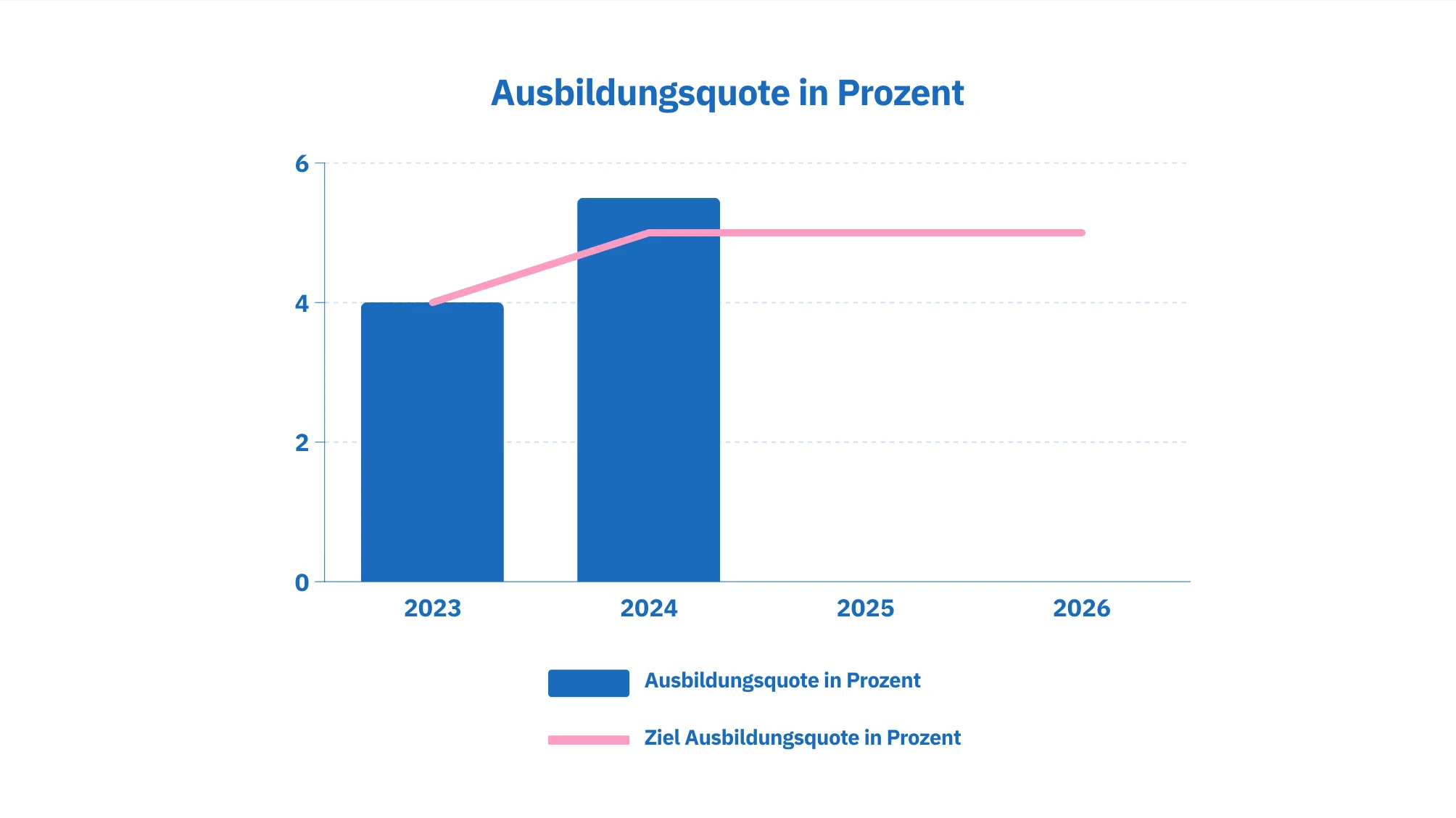
Baseline year 2023 | Target year 2025
Objective:
Gradually increase the apprenticeship rate to secure skilled workers and support young people
Status 2024:
5.3 % – target (4.8 %) exceeded
Measures:
As a family business, we take responsibility – for people, resources and the future.
Through our measures, we actively contribute to the United Nations’ Sustainable Development Goals (SDGs) and continuously develop our processes.
We strengthen social responsibility across our supply chain by working with suppliers who carry out and document recognised social audits.
We’re cutting our gas consumption significantly – through innovative energy solutions and smart waste-heat recovery. This makes a noticeable contribution to climate action and to lowering our CO₂ emissions.
Every year, we run several development programmes for our managers. The aim is to strengthen fair leadership throughout our company – through a respectful, appreciative and inclusive way of working together.
We’re continuously expanding our use of renewable energy. The goal is to generate a growing share of our electricity needs through our own solar installations, further increasing the energy efficiency of our sites.
We reduce our electricity consumption through greater efficiency and process optimisation, while also cutting our water use with modern process technology.
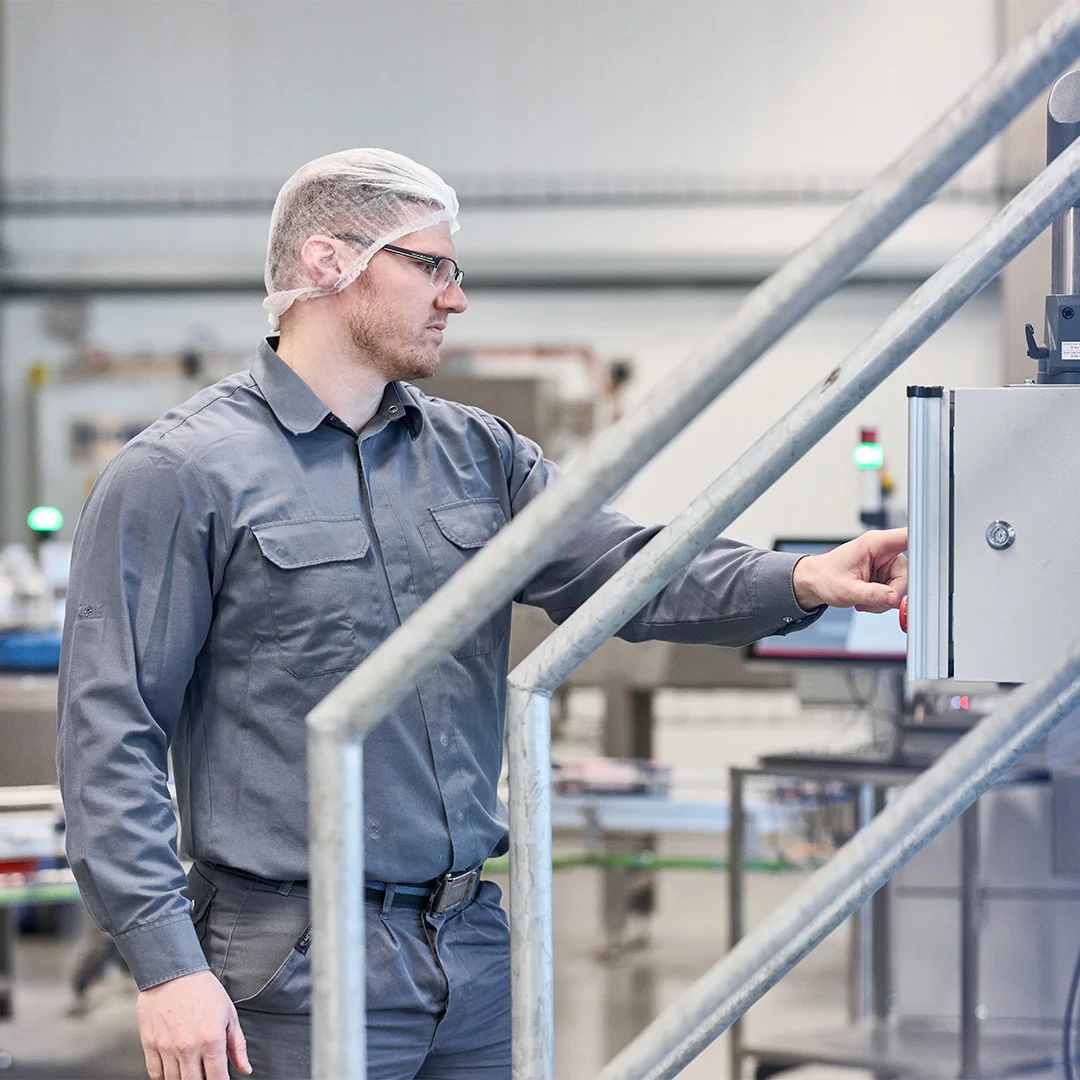
We continuously increase the level of automation across our production lines – for greater energy efficiency, lower waste rates and resource-efficient production. Through state-of-the-art technology and optimised processes, we aim for measurable improvement.
Responsibility and ethics as the foundation of everything we do – our Code of Conduct is the guiding principle for responsible and ethical business conduct. It applies to all employees, business partners and stakeholders along our value chain – binding, transparent and verifiable.
Transparent supply chains, responsible sourcing and sustainable risk management.
Compliance with international labour and social standards (ILO), and protection against discrimination and disadvantage.
Reducing environmental impact, using resources efficiently and continuously improving our ecological processes.
Zero tolerance for bribery, undue advantage and unethical business practices.
Safe workplaces, compliance with statutory working-time and safety requirements, and a culture of prevention.
Regular internal and external audits ensure that our values, rules and standards are consistently applied across every part of the business.
You can find out more about our Code of Conduct here.
Independently audited. Continuously improved.
For us, sustainability isn’t a one-off promise but a measurable, long-term process of development. That’s why we have our sustainability management independently audited every year against the ZNU Sustainable Business Management standard. The focus is on our strategic goals, the implementation of concrete measures, and a transparent assessment of our progress. The results of these external audits create transparency, highlight areas for improvement, and help us develop our ecological, social and economic responsibility systematically and continuously.
As a family business, we’re committed to sustainable management that combines ecological responsibility, economic growth and social engagement. We continuously optimise our processes, reduce CO₂ emissions and promote fair working conditions.
Our ZNU certification shows that we systematically integrate sustainability into our business strategy. This includes CO₂ reduction, conserving resources, transparent supply chains and social engagement for our employees.
Our sustainability goals take a holistic approach. We pursue several goals across ecology, economy and social matters, to conserve resources, manage our business responsibly and strengthen our employees in the long term. The points below show a selection of key priorities.
Our sustainability strategy is regularly reviewed through external inspections and audits. We analyse transport and logistics, resource conservation, supplier assessment and CO₂ reduction to ensure the highest standards.